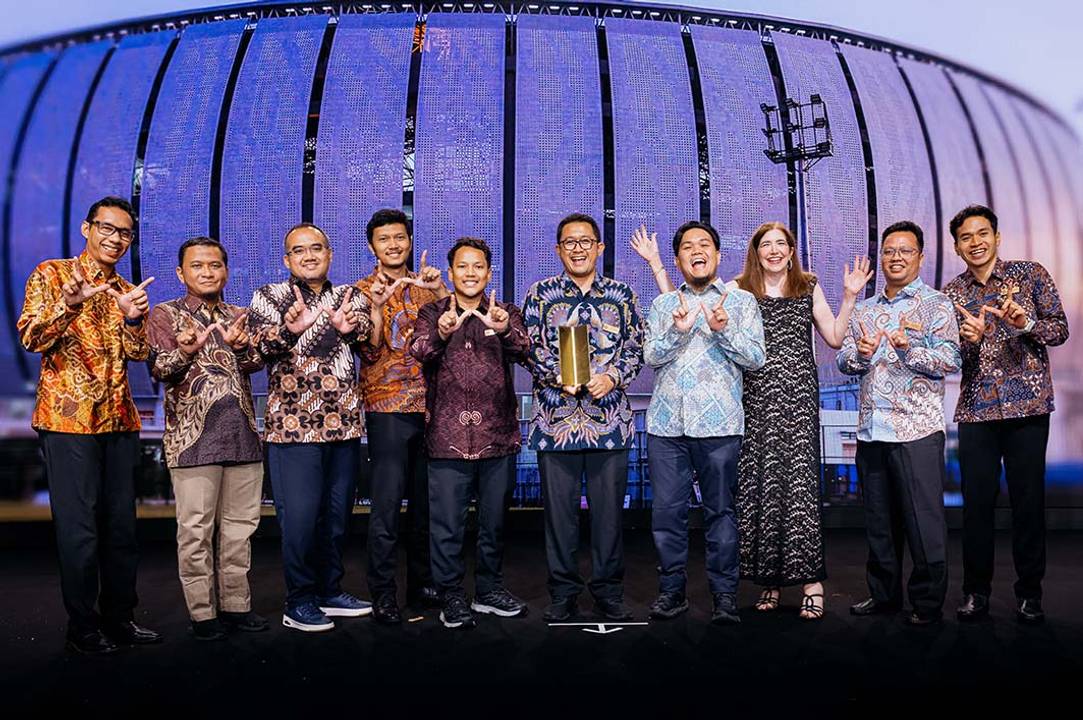
Indonesia’s PT Wijaya Karya Bangunan Gedung Tbk (Wika Gedung) has won the 2026 Year in Infrastructure (YII) Award in the Structural Engineering category. The contractor was recognised for its work on the Jakarta International Stadium project.
The 82,000-seat stadium in North Jakarta was built to FIFA standards. Leading the delivery, Wika Gedung had to overcome a swampy, waterlogged site, coordinate five specialist subcontractors and construct Indonesia’s first fully retractable roof within a 36-month target amid the pandemic.
Using Bentley applications, the team connected structural validation, fabrication-ready outputs, 4D construction sequencing, field coordination, pedestrian simulation and stakeholder visualisation. The workflow helped validate a 3,900-t roof lift to a height of 65 m, save 753,000 work hours, generate approximately 28,000 hours of efficiency gains, and keep construction waste below 7%. It also contributed to safer crowd movement and the development of a Platinum Green Building-certified stadium.
Another Southeast Asian winner was the Philippines’ Aboitiz Renewables Inc, which was recognised in the Geospatial and Reality Modelling category for its GeoShield solution.
The awards were presented on 7 October 2026 at the Fairmont Hotel Singapore as part of Bentley Systems’ YII event, which brought together infrastructure professionals from around the world. In 2026, more than 300 projects were nominated by organisations from 53 countries. Winners were selected across 12 categories spanning the infrastructure lifecycle, industries, and disciplines by a panel of independent judges during the event.
“Every year, our users impress us with incredible projects that advance the world’s infrastructure. This year’s finalists went well beyond digitalising traditional workflows. By connecting data across lifecycle phases and engineering disciplines, they used AI to unlock potential that was previously out of reach,” said Cate Lochead, chief marketing officer at Bentley Systems.
“That new cycle of AI-enabled innovation requires an open ecosystem, where infrastructure professionals can connect their data and preferred software to make better, faster decisions. Bentley enables that openness, giving engineers the freedom to solve complex challenges faster and build a more resilient, sustainable future.”
See the full list of global winners here.
Embracing the digital future
Several projects from Singapore, Indonesia and the Philippines were named finalists, showcasing the progress of Southeast Asia’s construction industry in digitalisation. These included:
QB Engineering & Construction, Philippines
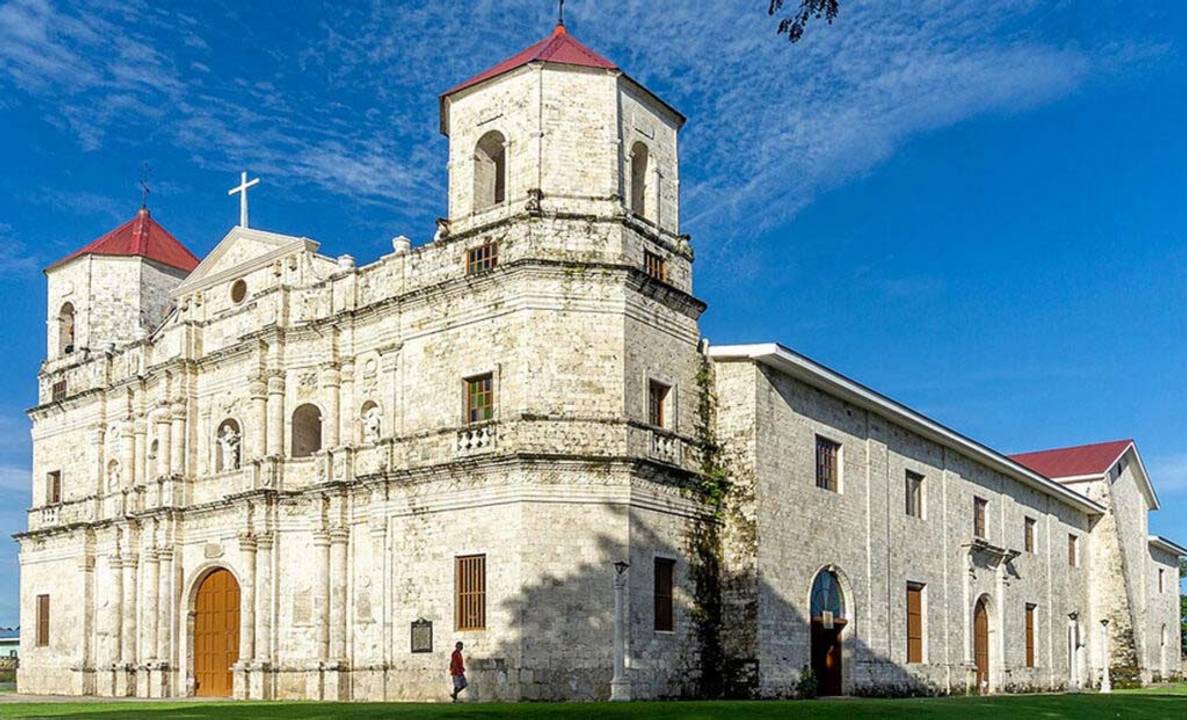
Our Lady of Light Parish Church, Loon: Digitally reconstructing a historic landmark
(Structural Engineering category)
QB Engineering & Construction led the reconstruction of Our Lady of Light Parish Church in Loon, after the 2013 Bohol earthquake caused its total collapse. The team needed to preserve the church’s historic character while addressing two major challenges: proving that the restored structure could safely withstand seismic forces and restoring confidence in rebuilding at the original site.
Using Bentley’s STAAD software for three-dimensional structural modelling and seismic analysis, the team evaluated the interaction of reinforced concrete framing and reinstated coral stone masonry, refined the strengthening strategy, and completed the remaining structural evaluation and restoration design work in just four months. Overall, the design work saved the project 1,500 work hours. The restored church once again serves as a spiritual, cultural and community landmark for Loon while preserving its history through the reuse of salvageable materials.
PT Wijaya Karya (Persero) Tbk, Indonesia
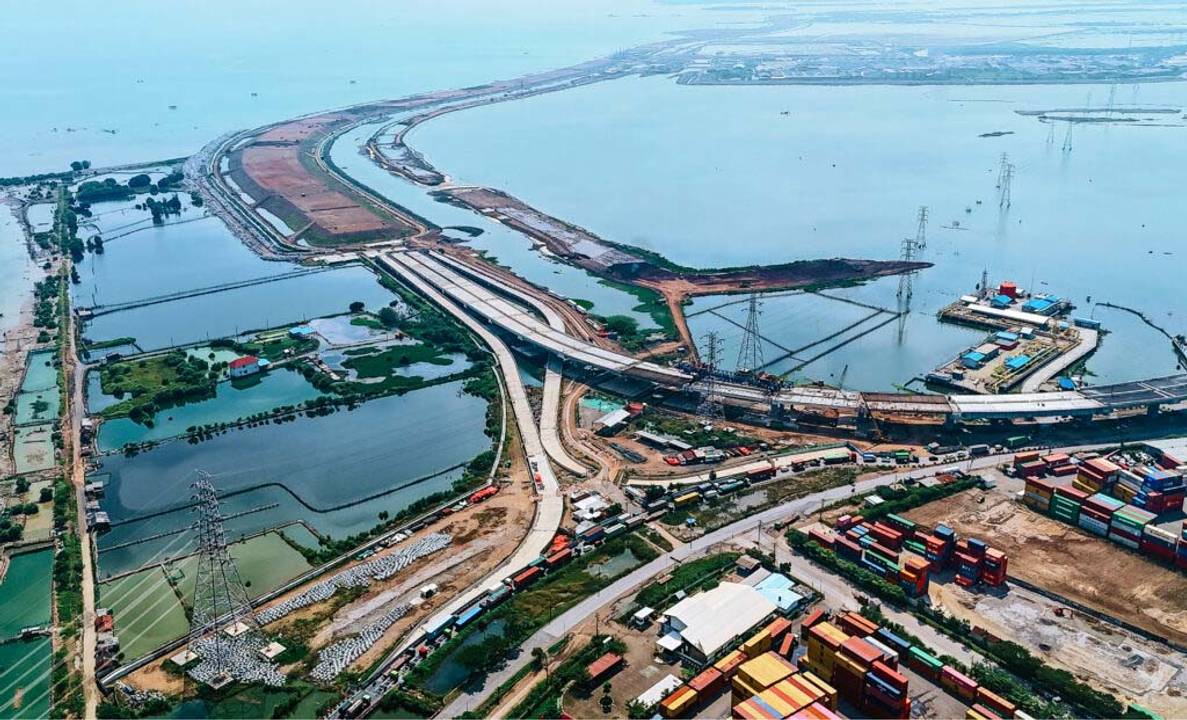
Semarang-Demak Toll Road: Designing for resilience at the edge of the sea
(Roads and Highways category)
The Semarang–Demak Toll Road is Indonesia’s first toll road integrated with a sea embankment, designed to reduce flooding and enhance transport links along the northern coast of Java. PT Wijaya Karya (Wika) is leading the development of a 6.7-km section that comprises embankments, bridges, sand reclamation and toll infrastructure built over open seawater. The project poses significant challenges – from severe land subsidence, soft seabed conditions and tidal fluctuations to the need for real-time monitoring of construction activities in a dynamic marine environment.
Bentley’s integrated digital delivery environment connected geotechnical analysis, design, construction planning and real-time monitoring across the project. This approach reduced displacement-event detection time from days to hours, cut unplanned infrastructure downtime by up to 50%, minimised RFIs by 25% and improved the early identification of field conflicts by 20%. As a result, the project is expected to protect an estimated 254,546 people from chronic tidal flooding.
Mott MacDonald, Singapore
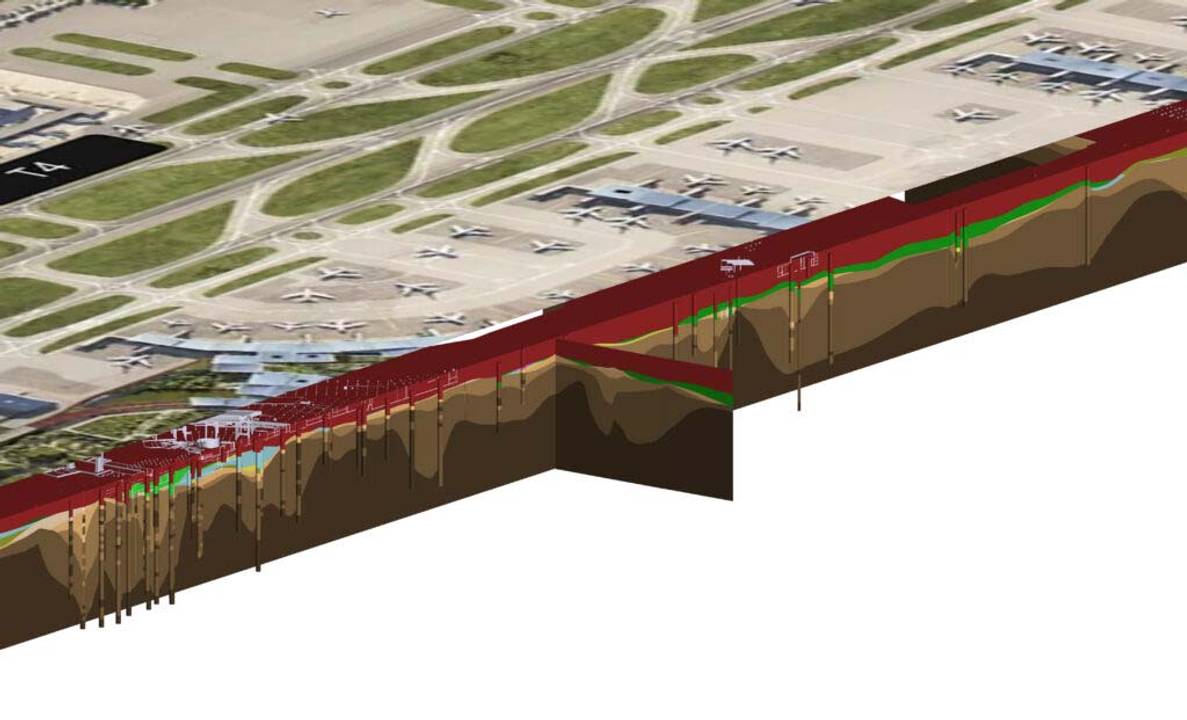
Changi Airport T5: 3D geological modelling and analysis to support planning decisions for T5’s complex ground conditions
(Subsurface Modelling and Analysis category)
As part of the SAM consortium comprising Surbana Jurong, Arup and Mott MacDonald, the project team is delivering engineering consultancy services for Changi Airport Terminal 5 (T5), one of Singapore’s largest infrastructure developments. Within the consortium, Mott MacDonald led the creation of a high-resolution 3D geological model for the 1,080-ha Changi East development, establishing a single source of truth for complex subsurface conditions, including reclaimed ground, soft marine deposits, interbedded sands and silts, shallow groundwater and an undulating weathering profile.
Through the integration of OpenGround, Leapfrog and Seequent Central, Mott MacDonald transformed geological modelling from a fragmented process into a connected digital workflow. New investigation data could be incorporated rapidly in a controlled environment, reducing interpretation update cycles from weeks to days and achieving approximately 30% savings in modelling effort. The model now supports more informed decisions on foundation, excavation and ground treatment across a major aviation infrastructure programme, helping project teams manage ground risk, increase design confidence and enhance delivery efficiency.
PT Wijaya Karya (Persero) Tbk, Indonesia
Lumut Balai 2 geothermal power plant: Transforming clean energy
(Energy Production category)
PT Wijaya Karya (Wika) delivered the FRCS road and pipe corridor for this 55-MW geothermal plant in South Sumatra. The team had to manage steep terrain, 216,000 cu m of cut works, 156,000 cu m of fill works and repeated interfaces with underground cable works while keeping the design and project controls aligned.
Using Bentley’s connected digital environment, the team linked terrain modelling, road and pipeline design, 4D sequencing and stakeholder visualisation in one workflow. This approach reduced cut works by 79,306 cu m and fill works by 37,201 cu m while saving IDR 5.99 billion. The result was a safer, more predictable delivery model that supports cleaner energy production.
Nusantara parliamentary complex
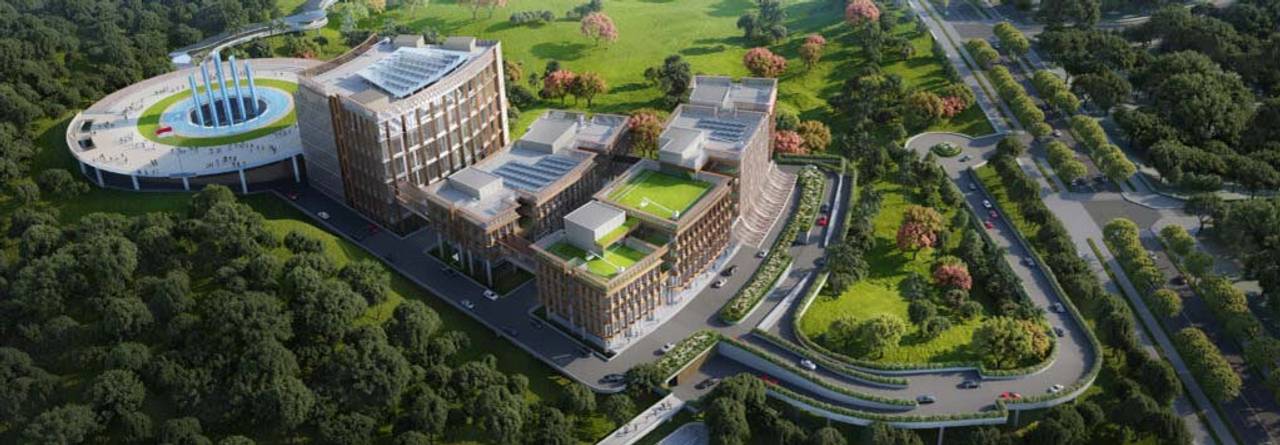
Bentley also recognised 16 projects with Founders’ Honors. Chosen personally by Bentley’s founders and executives, these honours are presented to a select number of standout projects, individuals and organisations that reflect the company’s purpose of advancing the world’s infrastructure for better quality of life. Among the recipients was PT Hutama Karya (Persero) of Indonesia for its work on the parliamentary complex of Nusantara.
As the primary contractor responsible for building five central parliamentary complexes and surrounding civic infrastructure on a 42-ha site in Nusantara, Indonesia’s newly planned capital city, PT Hutama Karya faced a rapidly changing construction landscape. Daily earthworks continually altered the site’s topography, forcing teams to reroute heavy equipment, relocate material staging yards and update access paths across multiple active zones. Traditional, disconnected planning methods and static 2D blueprints could not keep pace with reality on the ground.
To establish control and predictability, PT Hutama Karya turned to Bentley’s digital twin and 4D construction modelling technologies. Deploying drone photogrammetry powered by iTwin Capture, the team produced millimetre-accurate 3D digital twins and orthophotos of current site conditions, while using AI to evaluate dynamic site-mobilisation and staging options. It then used Synchro 4D to simulate and validate the best scenarios against live construction schedules, restricted work zones and equipment movements before breaking ground. This integrated digital approach cut site-validation time by 83%, minimised heavy-haul transit distances by 38.5% and saved over 61,000 l of fuel.
Image credits:
Image 1: Bentley Systems
Image 2: QB Engineering & Construction
Image 3: PT Wijaya Karya (Persero)
Image 4: Mott MacDonald
Image 5: PT Hutama Karya (Persero)