Singapore’s Cities of Tomorrow (CoT) R&D Programme and Built Environment Technology Alliance (BETA) Catalyst Programme have secured an additional S$112 million in funding initiatives (FIs) for the next five years under the Research, Innovation & Enterprise 2030 (RIE2030) tranche, to drive the next phase of research and innovation (R&I) and accelerate the transformation of the built environment (BE) sector.
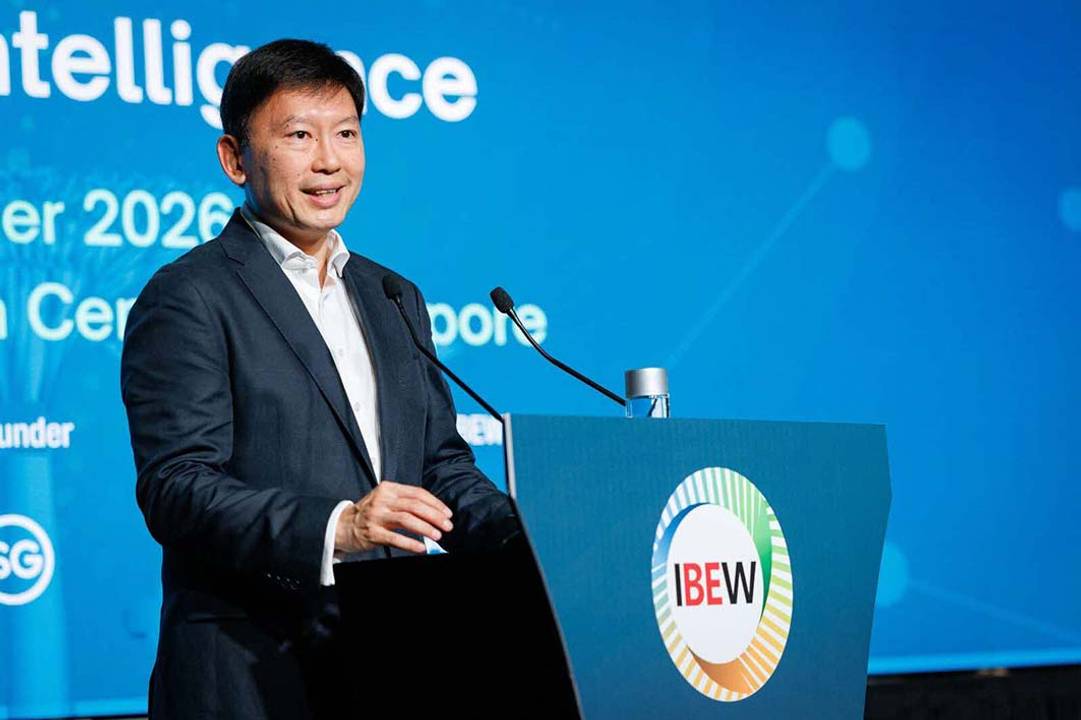
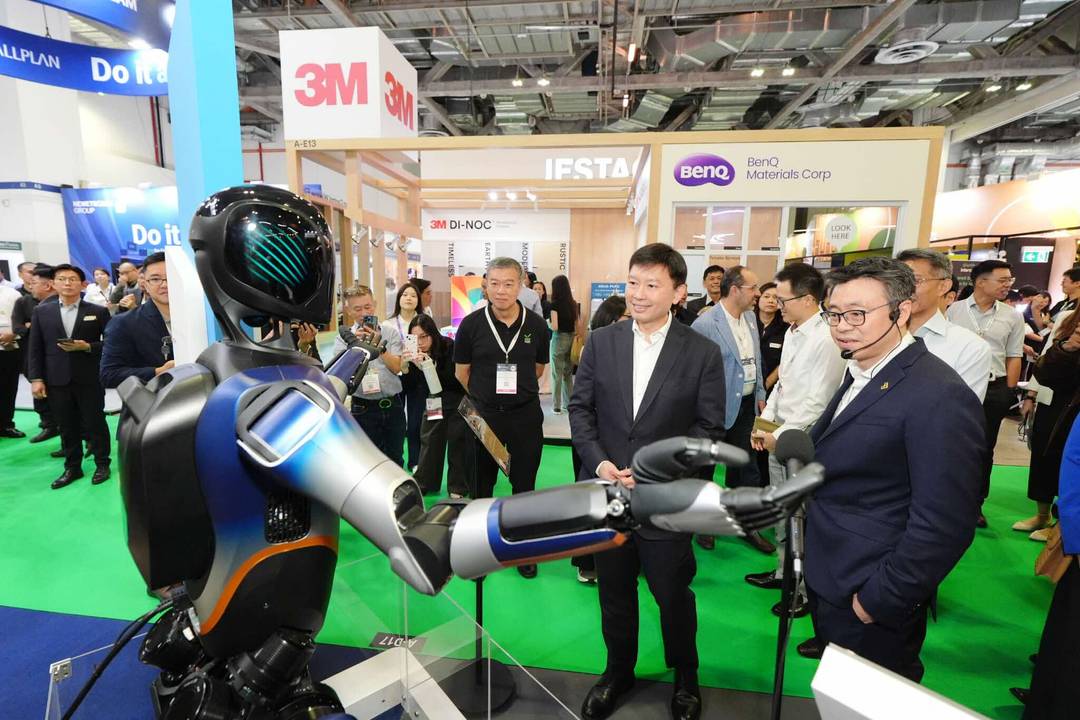
“This reflects the government’s continued commitment to investing in innovation and to partnering the industry to translate good ideas into practical solutions that can be commercialised and deployed in Singapore, and over time, taken to overseas markets,” said Minister for National Development Chee Hong Tat, speaking at the International Built Environment Week (IBEW) 2026 opening ceremony on 2 September.
Four priority areas
Mr Chee highlighted the four key areas of R&I that align with Singapore’s latest priorities. The first is to advance productive and safe demolition techniques to support urban rejuvenation needs, while improving productivity and minimising disamenities in built-up areas.
“As we rejuvenate more parts of the city, we need better ways to carry out demolition works more efficiently and safely, while minimising risks, disruptions, noise and other disamenities in our dense built-up areas,” he said.
The second area is to expand capabilities in modelling building lifespan, improving building maintenance reliability and timeliness of repairs. “As our buildings age and their uses become more diverse, we need better tools, such as anticipatory models, to assess structural health, lifecycle costs and remaining operational lifespan,” explained Mr Chee.
The third area is to strengthen the focus on embodied carbon reduction and energy efficiency towards achieving net-zero carbon emissions in the BE sector by 2050. The fourth is to catalyse the translation of R&I outcomes into industry adoption through the BETA Catalyst Programme.
“We will place greater emphasis on helping promising innovations move beyond the research and pilot stages towards wider industry adoption,” stressed Mr Chee. “Ultimately, our investments in R&D must translate into tangible improvements in the way we design, build and manage our built environment.”
The CoT R&D Programme is a multi-agency effort led by the Ministry of National Development (MND) that seeks to sustain Singapore’s success in the decades ahead by leveraging R&I. It is supported under the National Research Foundation’s (NRF) RIE efforts. Meanwhile, the BETA Catalyst Programme is an ongoing initiative to transform Singapore’s BE sector and build industry capabilities by encouraging stakeholders to share their strengths and resources.
Fostering collaboration
More private sector players are investing in R&I across successive RIE tranches, such as by co-developing innovations, participating in pilot trials, or adopting promising solutions in their projects. The four FIs aim to deepen this collaboration further by bringing together BE firms, researchers and Institutes of Higher Learning (IHLs) to translate promising research into practical solutions that address real-world challenges and can be adopted by industry.
One example is the Construction Technology Innovation Laboratory (CTIL), a partnership between the Singapore Institute of Technology and Woh Hup that is supported by the BETA Catalyst Programme, shared Mr Chee.
“CTIL has developed high-performance steel king posts, which are central support columns, that are 57% lighter than conventional ones and can be installed faster and more precisely with a smart positioning system. This helps to improve productivity and reduce costly installation errors,” he said, adding that the solutions have been deployed in several projects across Singapore, including Newport Plaza and the redevelopment of Alexandra Hospital.
“We want to see more of such partnerships and a greater willingness to try new ideas, to take calculated risks and to make targeted investments. This is how we turn promising innovations into practical solutions, and how we can continue to improve the way we build.”
The first grant call for the CoT R&D Programme is expected to be launched in October 2026. More details will be announced closer to the launch.
Mr Chee further mentioned that moving forward, the government is exploring ways to expand underground uses to optimise Singapore’s limited land resources and meet the country’s diverse needs. “We will work with the [NRF] for additional funding to support more research and innovation to achieve Singapore’s long-term underground development goals and deepen our local capabilities within our ecosystem.”
However, government funding and research efforts alone will not be sufficient, Mr Chee pointed out, emphasising that the true measure of a strong research programme is whether its solutions can be implemented and deliver tangible impact in practice. “This is why we need more companies to join us and come on board RIE2030, so that we co-develop new solutions together, participate in pilot trials, and adopt promising innovations in your projects.”
All images: International Built Environment Week