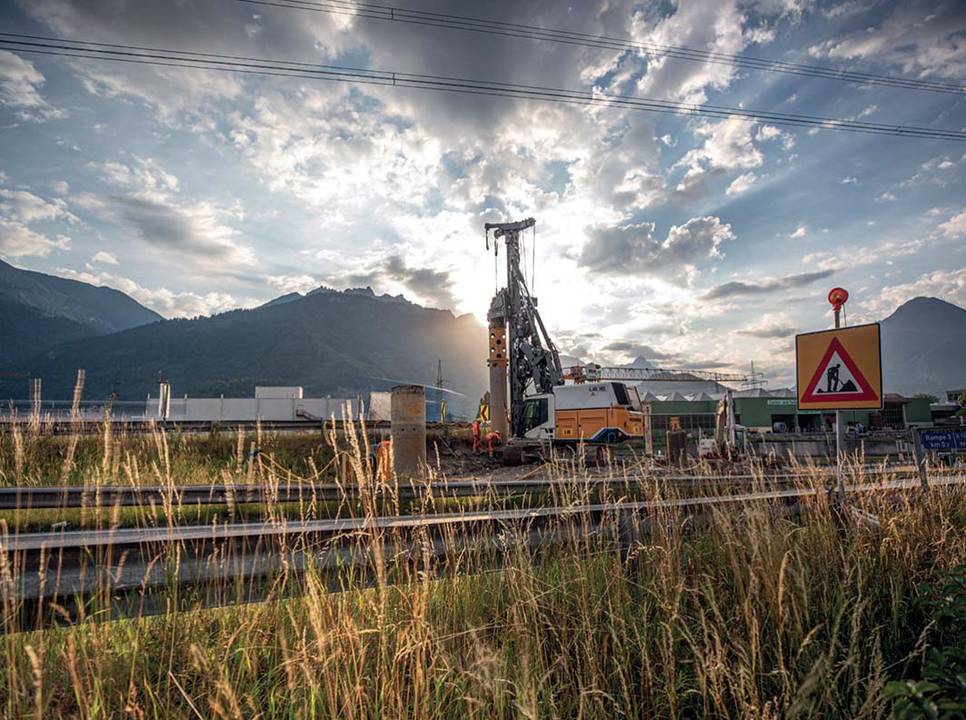
As Liebherr Nenzing reaches its 50-year milestone, SEAC recently attended the celebrations to explore the company’s latest solutions for global construction and deep foundation applications and reflect on five decades of development and innovation.
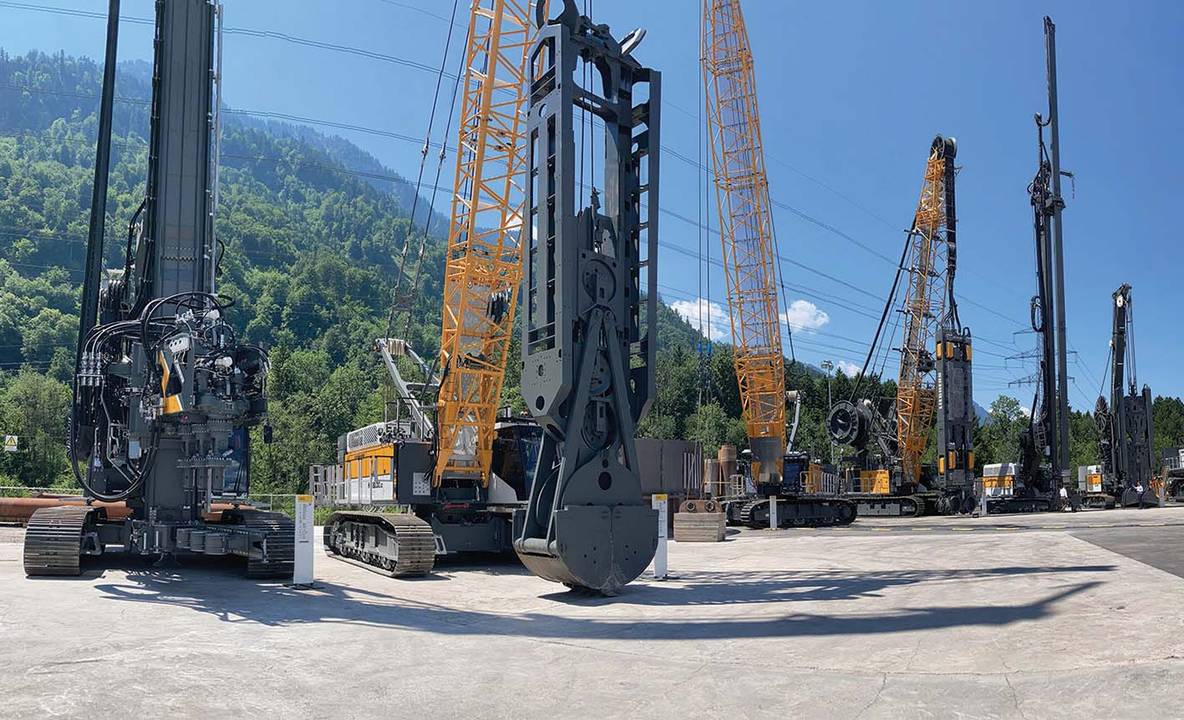
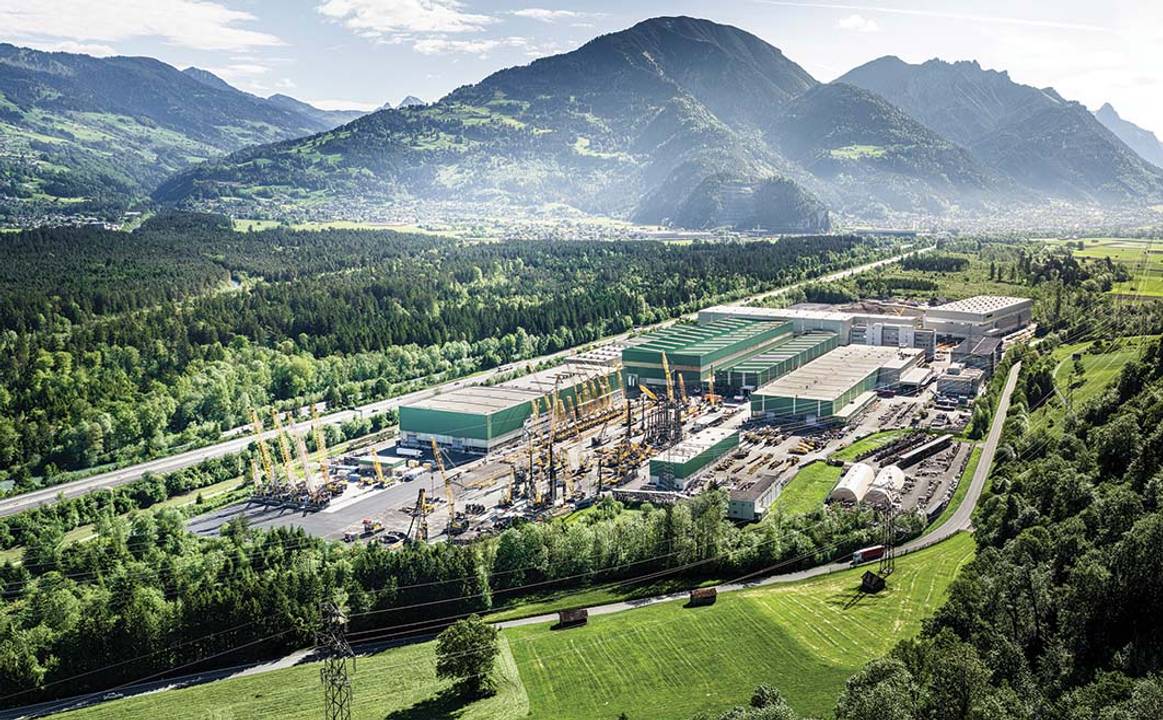
Since beginning production in 1976, Liebherr Nenzing in Austria has developed from a centre for maritime crane technology into a major international manufacturer of construction machines. Today, the company produces duty cycle crawler cranes and deep foundation equipment for demanding material handling and deep foundation applications, as well as crawler cranes for a wide range of lifting tasks. These machines are used on construction projects around the world.
From the 2000s onwards, the Nenzing site has gradually evolved from a production plant into a competence centre for innovative machine technologies, alternative drive systems, advanced control technology, and a wide range of digital solutions for the construction sites of the future.
The facility is also home to Liebherr-MCCtec GmbH, one of 11 divisional controlling companies in the Liebherr Group. The division operates four production sites and has over 50 sales and service branches worldwide.
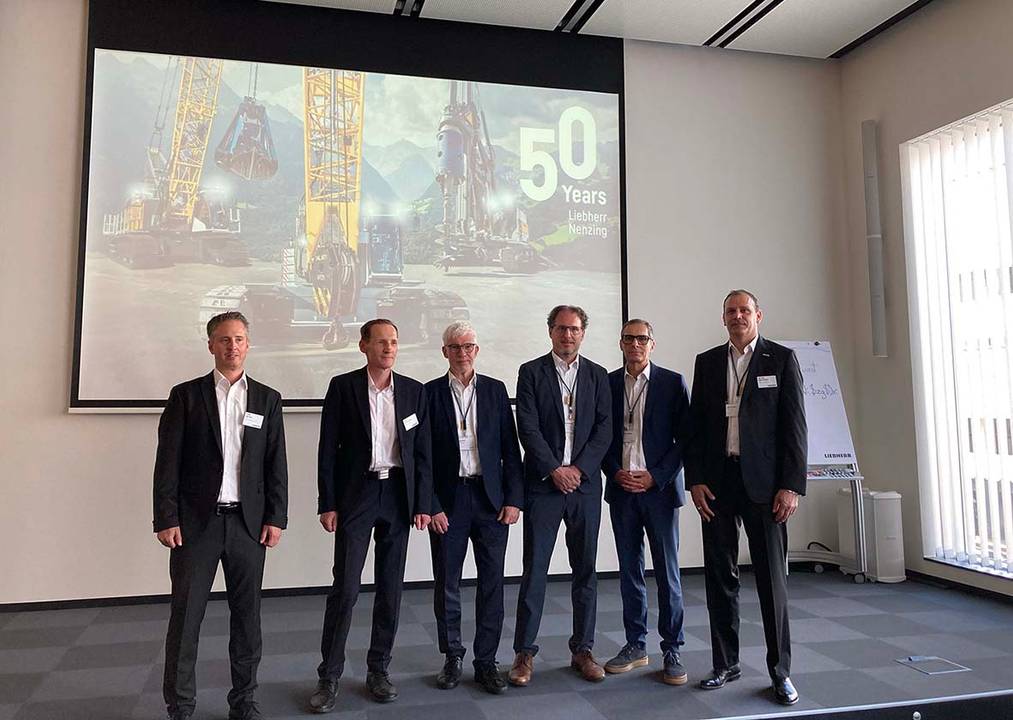
To mark its 50th anniversary, Liebherr Nenzing organised a week of celebrations at the end of June 2026. It hosted customer days for approximately 1,200 guests from around the world, a dedicated day for school and university students, and a large open day for the local community. More than 25,000 visitors were expected, with access to product presentations, machine demonstrations and the company’s latest technologies.
From production plant to innovation centre
The history of the factory began with the relocation of ship crane production from Ehingen, Germany, to Nenzing. Even in the early years, the high demand for maritime cranes led to strong growth. At the same time, Liebherr embraced technological innovation at an early stage and set new standards in the fields of electronic control systems and intelligent assistance systems.
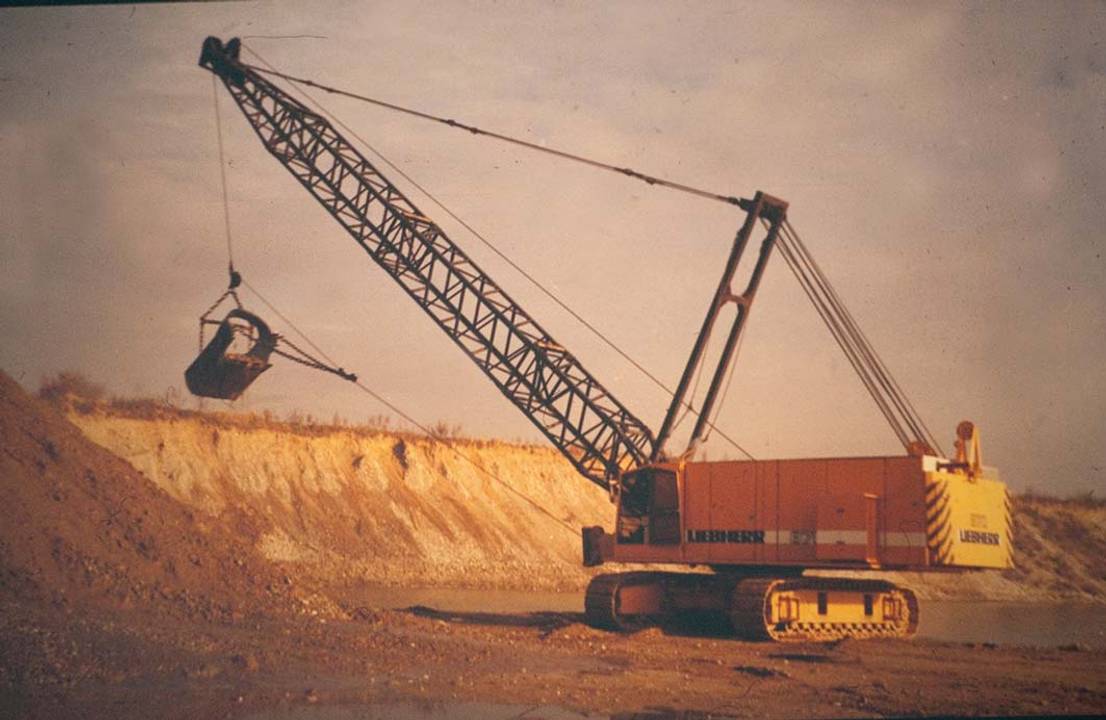
Over the following decades, the product range was continuously extended. Liebherr first entered the duty cycle crawler crane market in the late 1970s, thereby laying the foundations for its current production of construction machines. The portfolio was then broadened to include piling and drilling rigs, crawler cranes and digital solutions.
Parallel to the development of the site, Liebherr Nenzing’s international presence was systematically expanded. Another production site for large ship, offshore and mobile harbour cranes was founded in Rostock, Germany, in the 2000s. Moreover, additional international sales and service companies were established.
Within this international network, Liebherr Nenzing now plays a central coordinating role as the division’s headquarters and has further consolidated its position as a centre of innovation.
Setting global standards
Technological innovation has also been a defining feature of the company for five decades. As early as the 1970s, Liebherr set new standards in the ship crane market with innovative solutions for synchronised crane movements, establishing itself early on as a technology leader in this field.
In 2007, Liebherr became the first crane manufacturer in the world to use carbon fibre technology in crane production, thereby opening up new possibilities for efficiency and performance.
With the Pactronic hybrid drive system and the world’s first battery-powered drilling rig, the LB 16 unplugged, Liebherr has consistently advanced the development of sustainable, low-emission technologies. In recognition of this innovative strength, Liebherr was awarded, among other honours, the Austrian State Prize for Environmental and Energy Technology. In 2026, the company received the EcoVadis Platinum Medal, the highest ranking in the international sustainability rating system.
Note: This story has also been published in the Jul/Aug 2026 issue of SEAC (with more images). Click here to read it online or here to download the PDF (pages 58-61 and 63).