As sustainability, cost efficiency and resource security rise to the top of infrastructure agendas worldwide, reclaimed asphalt pavement (RAP) is moving from a supplementary option to a core component of modern road construction. Governments, road authorities and contractors are increasingly recognising RAP as a practical pathway to circularity, reducing reliance on virgin materials while lowering emissions and production costs.
Although the environmental and economic case for RAP is clear, its successful implementation depends on far more than simply reintroducing reclaimed material into the asphalt mix. Achieving consistent quality, durability and performance requires the right plant technology, robust process control and a disciplined approach to material management throughout the production and paving process, according to Lintec & Linnhoff, a global asphalt and concrete plant manufacturer that has contributed to some of the world’s most prominent projects.
RAP integration
RAP integration is a technology challenge as much as a material one, the manufacturer explained. Asphalt plants must be specifically equipped to introduce recycled material safely and efficiently, with the ability to control temperatures, material flow and mixing conditions accurately. The selection of recycling technology, whether cold recycling or hot recycling, depends on project requirements, desired RAP percentages and production capacity.
Lintec & Linnhoff revealed that, in practice, hot recycling systems are often preferred where higher RAP utilisation and consistent output are required. These systems allow reclaimed material to be heated indirectly and blended more precisely with virgin aggregates and binder, reducing the risk of premature binder ageing and maintaining asphalt performance.
Material handling is equally critical as RAP is inherently variable, with differences in aggregate grading, binder ageing and moisture content depending on its source. Dedicated storage areas, pre-treatment processes and clearly defined material management protocols are essential to minimise variability and ensure stable production. Without these controls, higher RAP percentages can compromise both quality and consistency.
Quality control
Laboratory testing and quality assurance are essential for a successful RAP application. Lintec & Linnhoff said regular analysis of RAP materials allows producers to understand binder content, ageing levels and aggregate characteristics, forming the basis for accurate and repeatable mix designs.
During production, additional monitoring of temperatures, mixing times and emissions is required, particularly as RAP content increases. When these parameters are carefully managed, RAP asphalt can be produced to the same performance standards as conventional mixtures, the manufacturer added.
On-site, the transition to RAP does not require fundamental changes to paving or compaction practices. When produced correctly, RAP mixtures can be laid, compacted and assessed using the same methods applied to virgin asphalt, helping contractors adopt RAP without disrupting established workflows.
Global experience
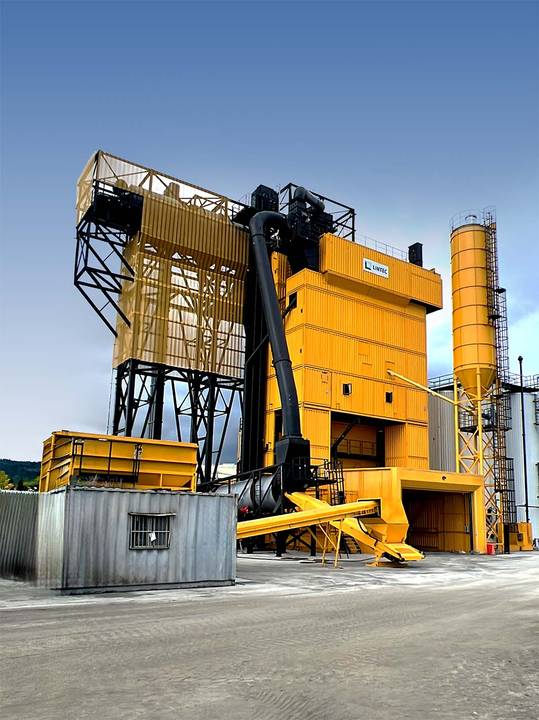
Over the years Lintec & Linnhoff has implemented RAP solutions across Europe, Asia and the Americas. Its portfolio includes cold recycling systems as well as hot recycling solutions in parallel-flow and counter-flow configurations, enabling customers to tailor recycling capability to their specific operational and regulatory requirements.
Rather than adopting a one-size-fits-all approach, Lintec & Linnhoff enables RAP integration through configurable recycling systems that can be adapted to specific project requirements. This includes adjusting RAP content, production capacity and plant configuration, as well as optimising heating, dosing and mixing parameters to suit material characteristics and local conditions. By combining modular system design with precise process control, operators can manage variability in reclaimed materials while maintaining consistent mix quality and production stability across a wide range of applications.
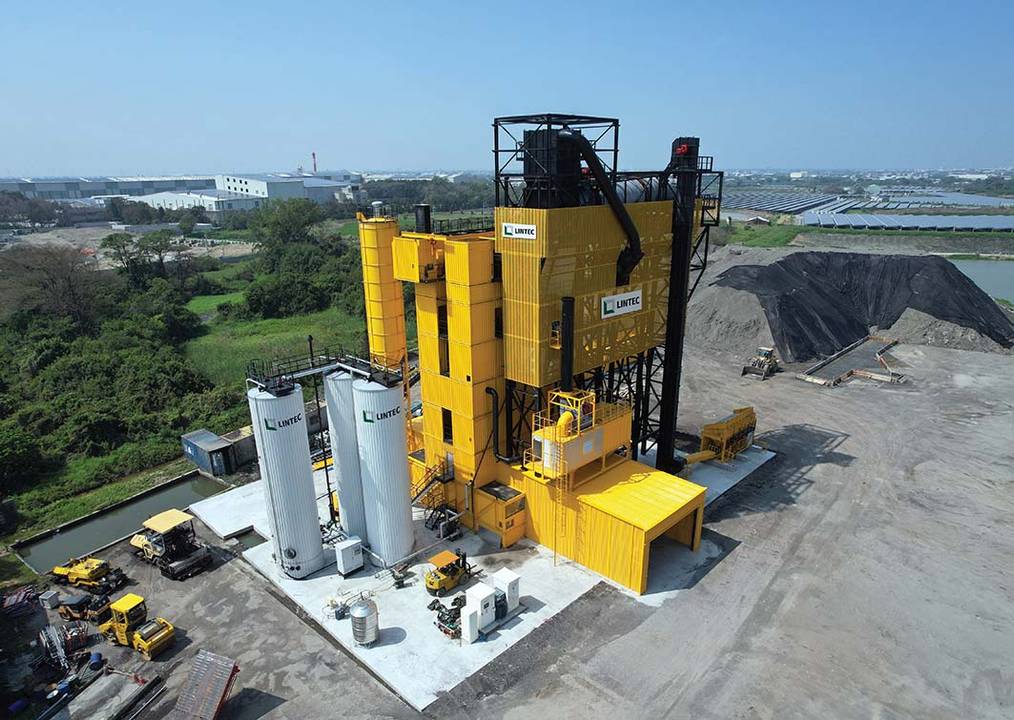
One example is in Anhui Province, China, where Lintec & Linnhoff hot recycling systems have been deployed extensively. In this region, a Lintec CSM4000HRC asphalt mixing plant has produced more than 2 mil t of RAP asphalt, demonstrating that high-volume recycling can be achieved reliably over extended periods when supported by appropriate technology and process control.
In Latin America, RAP adoption is accelerating as infrastructure investment expands alongside sustainability expectations. In Mexico, Lintec & Linnhoff has supported elements of the federal government’s national road infrastructure programme, which includes large-scale road rehabilitation and new construction projects.
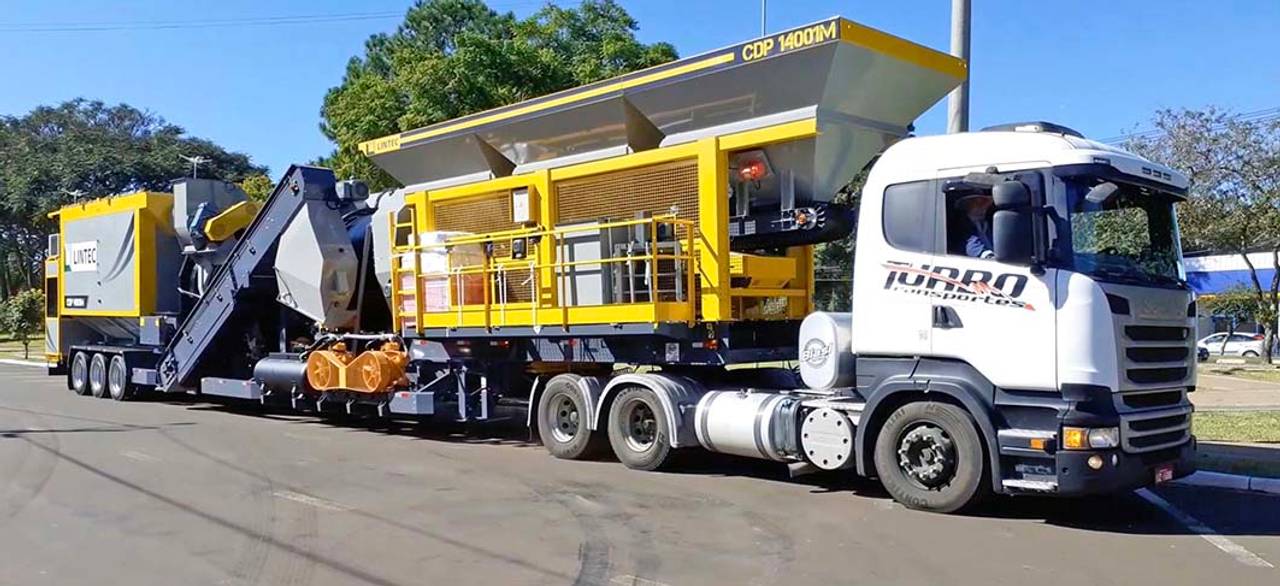
A key installation within this programme is the Lintec CDP14000M asphalt mixing plant, designed for high output, mobility and rapid installation. The plant is capable of integrating up to 15% RAP while maintaining stable production and consistent mix quality, helping reduce raw material consumption and environmental impact without compromising performance on major road projects.
Jeffrey Ma, chief technology officer at Lintec & Linnhoff, emphasised that the key to RAP success lies in treating recycling as a system-level capability rather than a simple add-on. “RAP is not just about adding recycled material into the mix. To achieve consistent quality and long-term performance, recycling must be engineered into the plant design, the control system and the operating process. When the right technologies and controls are in place, RAP can deliver significant environmental and economic benefits without compromising asphalt performance.”
‘Increasingly standard feature’
Lintec & Linnhoff further pointed out that as material costs continue to rise and sustainability requirements tighten, RAP is set to become an increasingly standard feature of asphalt production rather than a niche solution. Road authorities are embedding recycled content into specifications, while contractors are seeking proven technologies that allow them to meet these requirements consistently and at scale.
By combining recycling technologies with automation, modular plant design and process intelligence, Lintec & Linnhoff supports this transition, helping producers and contractors integrate RAP responsibly and maintain the performance standards expected of modern road infrastructure.
By doing this, RAP becomes more than a sustainability initiative, delivering strategic capabilities that support circular construction, improving resource resilience and shaping the future of road building worldwide.